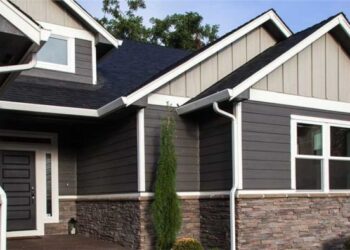
Delve into the world of James Hardie Aged Pewter, a siding option that exudes elegance and charm in exterior home design. From its unique color palette to its durable finish, this material offers a timeless appeal for any architectural style.
As we explore the nuances of James Hardie Aged Pewter, you will discover the key features that make it a popular choice among homeowners and designers alike.
Overview of James Hardie Aged Pewter
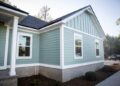
James Hardie Aged Pewter siding offers a sophisticated and timeless look for exterior home design. The color is a rich blend of gray tones with subtle hints of blue and green, creating a versatile and elegant appearance.
Color, Texture, and Finish
- The color of Aged Pewter is a muted gray with cool undertones, providing a modern and neutral palette for various architectural styles.
- The texture of James Hardie Aged Pewter siding mimics the look of natural wood grain, adding depth and dimension to the facade of the house.
- The finish is smooth and matte, giving a contemporary and sleek aesthetic to the exterior of the home.
Popularity and Appeal
James Hardie Aged Pewter has gained popularity in exterior home design due to its timeless appeal and ability to complement a wide range of color schemes and architectural styles. The neutral yet sophisticated look of Aged Pewter adds curb appeal and increases the overall value of the home.
Durability and Maintenance
- James Hardie Aged Pewter siding is known for its exceptional durability, as it is resistant to rot, pests, and moisture damage.
- The products are engineered to withstand harsh weather conditions, including high winds, hail, and UV exposure, ensuring long-lasting beauty and protection for the home.
- Maintenance requirements for Aged Pewter siding are minimal, with occasional cleaning using a mild detergent and water to keep the surface looking fresh and vibrant.
Installation and Application
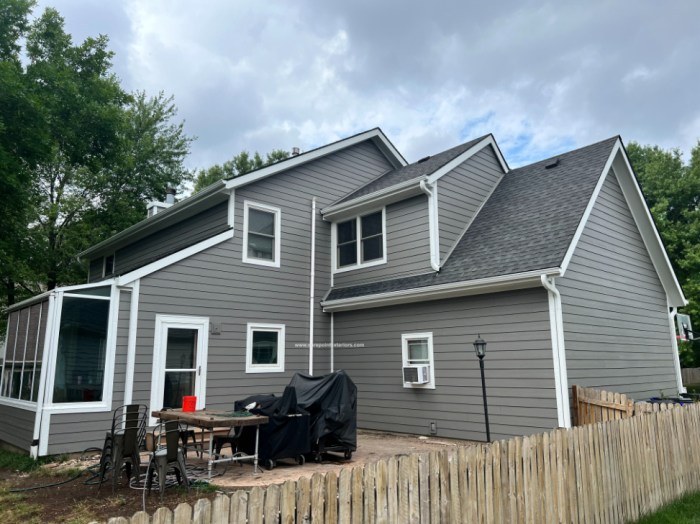
Installing James Hardie Aged Pewter siding requires attention to detail and the right tools for a successful outcome. Here is a step-by-step guide on how to install the siding and best practices for cutting and fitting the panels.
Step-by-Step Guide for Installation:
- Start by preparing the wall surface where the siding will be installed. Ensure it is clean, dry, and free of any debris.
- Measure and cut the siding panels to fit the dimensions of the wall. Use a circular saw with a fine-toothed blade for precise cuts.
- Install the starter strip at the bottom of the wall, making sure it is level and properly aligned.
- Begin installing the siding panels, overlapping each panel slightly to allow for expansion and contraction.
- Secure the panels in place using galvanized nails or screws, following the manufacturer's guidelines for spacing and placement.
- Continue installing the panels row by row, making sure to stagger the joints for a seamless appearance.
- Finish the installation with trim pieces around windows, doors, and corners to complete the look.
Best Practices for Cutting and Fitting:
- Use a carbide-tipped scoring knife to score the siding before cutting with a circular saw for clean and precise cuts.
- Make sure to wear appropriate safety gear, including goggles and gloves, when cutting and handling the siding panels.
- Test fit each panel before securing it in place to ensure a proper fit and alignment.
- Leave a small gap between the siding panels and trim pieces to allow for expansion and contraction with temperature changes.
Recommended Tools and Techniques:
- Circular saw with a fine-toothed blade for cutting the siding panels.
- Galvanized nails or screws for securing the panels in place.
- Carbide-tipped scoring knife for scoring the panels before cutting.
- Level, tape measure, and chalk line for accurate measurements and alignment.
- Follow the manufacturer's installation instructions and guidelines for the best results.
Design Inspiration and Complementary Colors
When it comes to incorporating James Hardie Aged Pewter into different architectural styles, the versatility of this color opens up a world of design possibilities. Whether you're going for a modern look or a more traditional aesthetic, Aged Pewter can seamlessly blend in and enhance the overall appeal of a building.
Incorporating Aged Pewter into Different Architectural Styles
- For a contemporary style, pair Aged Pewter siding with crisp white trims and accents to create a sleek and sophisticated look.
- In a farmhouse-inspired design, combine Aged Pewter with warm wood tones and black accents for a charming and inviting exterior.
- In a coastal setting, Aged Pewter siding can be complemented with soft blues, greens, and sandy beige tones to evoke a serene and beachy vibe.
Complementary Colors for Trims, Accents, and Doors
- White trims and accents can provide a clean and classic contrast to Aged Pewter siding.
- Dark charcoal or navy blue trims can create a bold and modern look when paired with Aged Pewter.
- For a more traditional feel, consider using deep red or forest green accents with Aged Pewter siding.
Examples of Homes with Aged Pewter Siding
- A craftsman-style home featuring Aged Pewter siding with white trims and a pop of red on the front door for a timeless and inviting look.
- A modern farmhouse with Aged Pewter siding, black accents, and a natural wood door, blending contemporary and rustic elements seamlessly.
- An urban townhouse showcasing Aged Pewter siding with charcoal trims and accents, exuding a chic and sophisticated vibe in a city setting.
Maintenance and Care Tips
Maintaining and caring for your James Hardie Aged Pewter siding is essential to ensure its long-lasting beauty and durability. By following a few simple tips, you can keep your siding looking great for years to come.
Cleaning and Maintenance
To clean Aged Pewter siding, use a mild detergent and water solution with a soft brush or cloth. Avoid using abrasive cleaners or high-pressure washers, as they can damage the finish. Rinse the siding thoroughly with clean water after cleaning to remove any residue.
Weather Effects and Solutions
Weather conditions, such as excessive moisture or prolonged exposure to sunlight, can affect the appearance of Aged Pewter siding over time. To address these issues, make sure to regularly inspect the siding for any signs of damage, such as cracks, chips, or fading.
Promptly repair any damage to prevent further deterioration.
Periodic Inspections and Repairs
It is recommended to inspect your Aged Pewter siding periodically, at least once a year, to check for any issues that may need attention. Look for signs of moisture intrusion, insect damage, or general wear and tear. Address any problems promptly to prevent them from worsening and to maintain the overall condition of your siding.
Final Thoughts
In conclusion, James Hardie Aged Pewter stands out as a versatile and durable siding option that can elevate the aesthetic of any home. Whether you're drawn to its classic charm or its low maintenance requirements, Aged Pewter proves to be a reliable choice for enhancing your exterior design.
Questions and Answers
Is James Hardie Aged Pewter resistant to harsh weather conditions?
Yes, James Hardie Aged Pewter siding is designed to withstand various weather elements and maintain its beauty over time.
Can Aged Pewter siding be painted or repainted?
It is not recommended to paint over James Hardie Aged Pewter siding as it may affect the product's durability and warranty.
How often should I inspect my Aged Pewter siding for maintenance?
Regular inspections every 6-12 months are recommended to ensure any issues are addressed promptly and maintain the siding's quality.