Dive into the world of new home siding options with a detailed look at different materials, design trends, and factors to consider. This engaging introduction sets the stage for an enlightening discussion that will help homeowners make informed decisions about their home exteriors.
In the following paragraphs, we will delve into the various aspects of new home siding options, providing valuable insights and guidance for those looking to upgrade their homes.
Types of New Home Siding Options
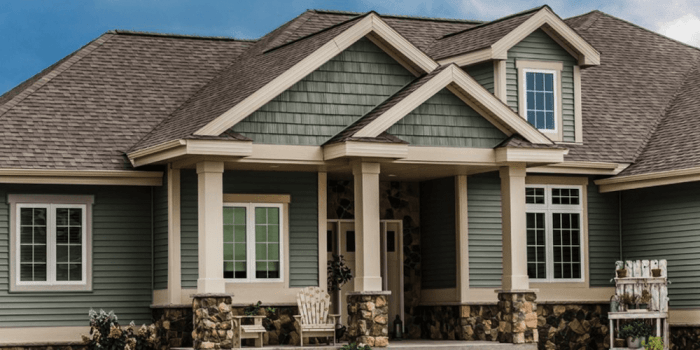
When it comes to choosing the right siding for your home, there are various options available, each with its own set of pros and cons. It's essential to consider factors such as durability, maintenance requirements, and overall aesthetic appeal before making a decision.
Vinyl Siding
- One of the most popular siding options due to its affordability and low maintenance.
- Comes in a wide range of colors and styles to suit different home designs.
- However, may crack or fade over time and lacks the same level of durability as other materials.
Fiber Cement Siding
- This type of siding is known for its durability and resistance to insects and rot.
- Requires minimal maintenance and can mimic the look of wood or stucco.
- On the downside, it is heavier and may be more challenging to install compared to other options.
Wood Siding
- Offers a natural and timeless look that can enhance the curb appeal of a home.
- Can be painted or stained in various colors to achieve the desired aesthetic.
- However, wood siding is prone to rot, pests, and requires regular maintenance to prolong its lifespan.
Aluminum Siding
- Known for its durability and resistance to fire, moisture, and insects.
- Requires minimal maintenance and can last for many years without needing replacement.
- On the downside, aluminum siding may dent easily and is not as energy-efficient as other materials.
Brick Siding
- Provides a classic and elegant look that can increase the value of a home.
- Extremely durable and requires minimal maintenance over time.
- However, brick siding is one of the more expensive options and may require professional installation.
Trends in Home Siding Design
In the world of home siding design, trends are constantly evolving to meet the changing tastes and preferences of homeowners. From color palettes to textures, there are several key trends shaping the look of modern home exteriors.
Popular Color Palettes and Textures
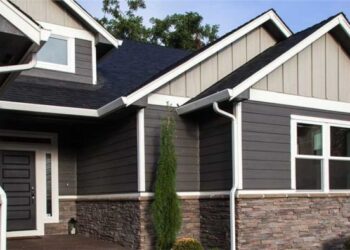
When it comes to color palettes, neutral tones like gray, beige, and white continue to be popular choices for modern home exteriors. These colors provide a clean and timeless look that can easily be paired with different architectural styles. In terms of textures, homeowners are increasingly gravitating towards options like wood-grain finishes and smooth panels for a sleek and contemporary aesthetic.
Complementing Architectural Styles
Different siding materials can beautifully complement various architectural styles
Factors to Consider When Choosing Siding
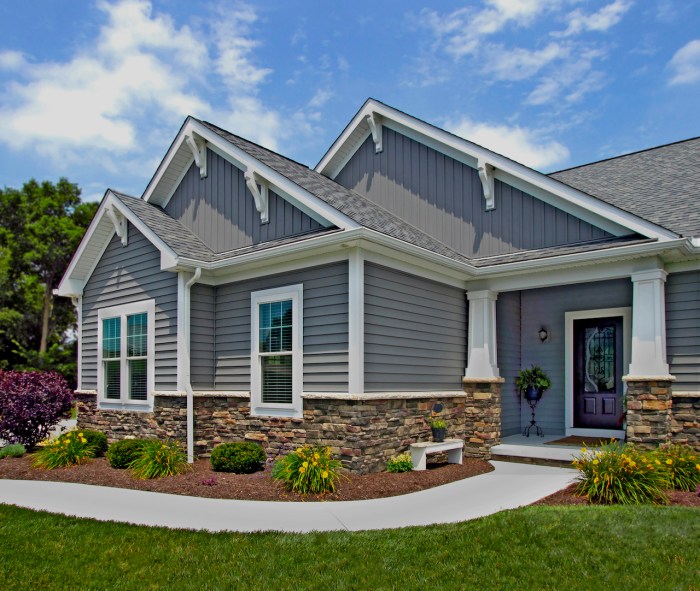
When selecting a new siding option for your home, there are several key factors that homeowners should consider to ensure they make the right choice.Climate and Location Impact:The climate and location of your home play a crucial role in determining the best siding material for your property.
For example, if you live in an area with high humidity, you may want to choose a siding material that is resistant to moisture to prevent mold and mildew growth. Similarly, if you live in a region prone to extreme temperatures, you may want to select a siding material that offers good insulation properties to help regulate indoor temperatures.Cost Implications:The cost of different siding materials and installation methods can vary significantly, so it's essential to consider your budget when choosing siding for your home.
Some materials may have a higher upfront cost but require less maintenance over time, while others may be more affordable initially but may need more frequent repairs or replacements. It's important to weigh the initial investment against long-term maintenance costs to find the most cost-effective option for your home.
Sustainable and Eco-Friendly Siding Options
When it comes to choosing siding for your home, opting for sustainable and eco-friendly materials can have a positive impact on the environment while also reducing energy costs in the long run.Traditional siding materials like vinyl and aluminum can have a significant environmental impact due to their manufacturing processes and disposal methods.
On the other hand, green alternatives such as fiber cement, reclaimed wood, and engineered wood siding are more sustainable options that help reduce carbon footprint and promote eco-friendliness.
Innovative Eco-Friendly Siding Options
- Bamboo Siding: Bamboo is a rapidly renewable resource that grows quickly and requires minimal maintenance. Bamboo siding is durable, lightweight, and resistant to pests and rot.
- Cork Siding: Cork is harvested from the bark of cork oak trees without harming the tree itself. Cork siding is naturally insulating, fire-resistant, and has excellent acoustic properties.
- Recycled Metal Siding: Using recycled metal for siding reduces the need for new raw materials and helps divert waste from landfills. Metal siding is durable, energy-efficient, and recyclable.
- Plant-Based Polyurethane Siding: Made from plant-based materials like soybean oil, plant-based polyurethane siding is a sustainable alternative to traditional petroleum-based options. It is durable, low-maintenance, and resistant to UV rays.
Final Thoughts
In conclusion, the realm of new home siding options offers a plethora of choices for homeowners seeking to enhance the aesthetics and functionality of their properties. From sustainable materials to trendy designs, the possibilities are endless, allowing individuals to create the perfect look for their homes.
Quick FAQs
What are some key factors to consider when choosing new home siding?
When selecting new siding, homeowners should consider factors such as durability, maintenance requirements, climate suitability, and cost implications.
Are there any eco-friendly siding options available for homes?
Yes, there are sustainable and energy-efficient siding materials that offer eco-friendly alternatives to traditional options. Some examples include recycled wood, fiber cement, and metal sidings.
How do different siding materials complement various architectural styles?
Certain siding materials like cedar shake siding may complement traditional or rustic architectural styles, while sleek metal sidings are more suited for modern or contemporary designs. It's important to choose a siding material that enhances the overall aesthetic of the home.